The Blue Light Problem
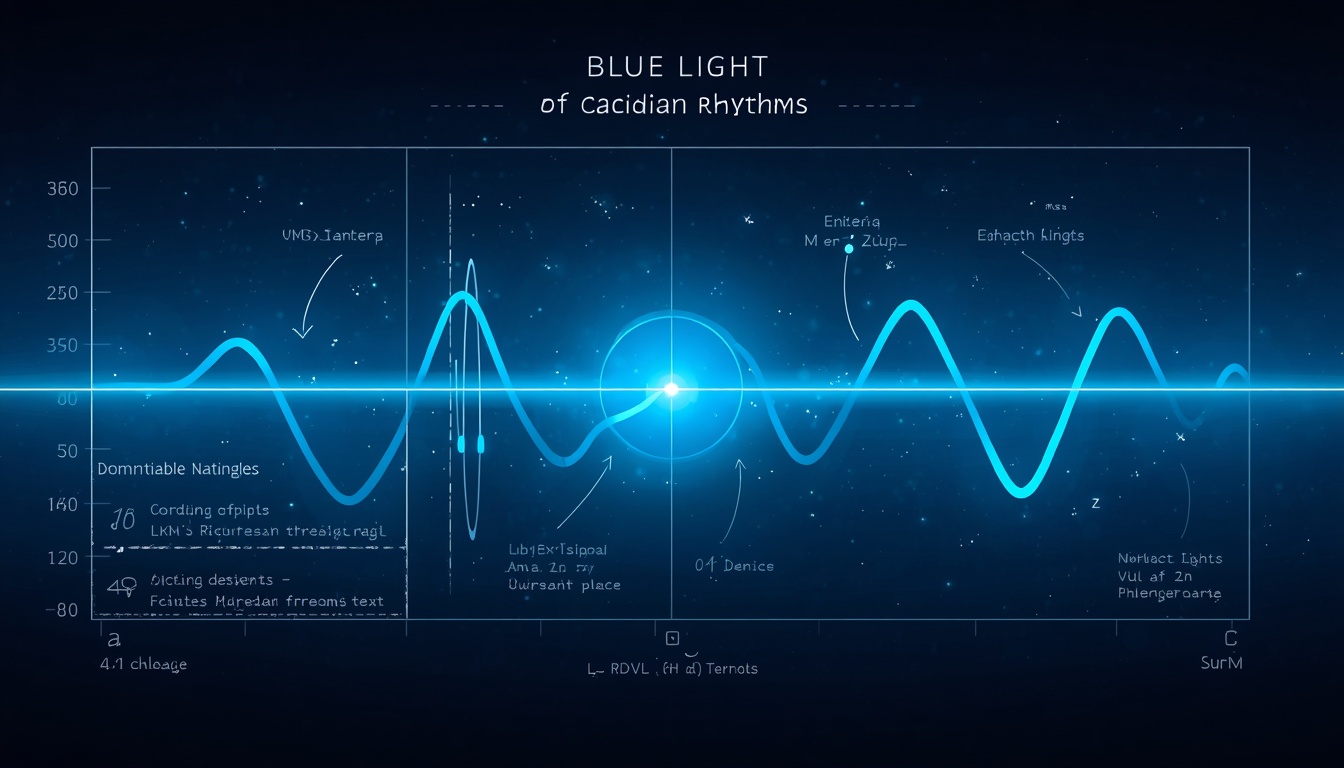
Modern screens emit blue light that mimics daylight, signaling to your brain that it's time to be awake and alert. When you expose yourself to this light in the evening hours, your body suppresses melatonin production, the hormone responsible for regulating your sleep-wake cycle. This disruption affects not just how quickly you fall asleep, but the quality and depth of your rest throughout the night.
Research consistently shows that just two hours of evening screen exposure can significantly delay melatonin release, pushing back your natural sleep window. At tholmarewhral, we help you break this cycle by replacing screen time with activities that support, rather than sabotage, your body's natural rhythms.